Is Farming/seeds/milling A Good Career Path: Exploring the Pros and Cons
Farming, seeds, and milling have been the backbone of human civilization since ancient times. Even today, these industries play a crucial role in feeding the world's population. However, many people wonder whether farming, seeds, and milling are good career paths. In this blog post, we will explore the pros and cons of pursuing a career in these fields.
The Pros
1. Job Security
One of the biggest advantages of working in the farming, seeds, or milling industry is job security. These industries are essential for providing food to people around the world, and there will always be a need for workers in these fields.
2. Diversity of Opportunities
There are a wide variety of jobs available in farming, seeds, and milling. From farm workers to seed scientists to mill operators, there is something for everyone. Additionally, these industries are constantly evolving, creating new opportunities for workers with different skill sets.
3. Hands-On Work
If you enjoy working with your hands and being outdoors, then a career in farming, seeds, or milling might be a good fit for you. Many jobs in these industries involve physical labor and working outside, which can be appealing to some people.
4. Potential for Entrepreneurship
ing your own farm or seed business is a possibility if you have the drive and entrepreneurial spirit. This can be a rewarding way to work for yourself and make an impact on your community.
5. Contribution to Society
Working in farming, seeds, or milling allows you to contribute to society by producing food that people need to survive. There is a sense of pride and fulfillment that comes from knowing that your work is making a difference in people's lives.
The Cons
1. Hard Work
Working in farming, seeds, or milling is not for everyone. These industries require long hours of physical labor and can be challenging at times.
2. Weather-Dependent
The success of many jobs in farming, seeds, or milling is heavily dependent on the weather. Droughts, floods, and other natural disasters can have a significant impact on crop yields and profitability.
3. Low Pay
Many jobs in these industries are low-paying, especially for entry-level workers. This can make it difficult to support a family or save for the future.
4. Lack of Benefits
In some cases, workers in farming, seeds, or milling may not receive benefits like health insurance or retirement savings plans. This can make it difficult to plan for the future or deal with unexpected expenses.
5. Risk of Failure
ing your own farm or seed business comes with a risk of failure. It can be challenging to compete with larger farms or companies, and there is always the possibility of crop failure or other setbacks.
What You Need to Succeed
If you're considering a career in farming, seeds, or milling, there are a few key traits that can help you succeed:
- A strong work ethic
- Physical stamina
- Adaptability
- Attention to detail
- Problem-solving skills
- Entrepreneurial spirit (if ing your own business)
By cultivating these traits, you can increase your chances of success in these industries.
Overall, working in farming, seeds, or milling can be a rewarding career path for those who are passionate about the work and willing to put in the effort. However, it's important to understand the potential challenges and risks involved before pursuing this path.
FAQ Section
1. What education do I need to work in farming, seeds, or milling?
While there are no specific educational requirements for many jobs in these industries, having a degree in agriculture or a related field can be beneficial.
2. Are jobs in farming, seeds, or milling in high demand?
Yes, there is a growing demand for workers in these fields as the global population continues to increase.
3. Can I my own farm or seed business without prior experience?
It's possible, but it can be challenging. It's important to do your research and seek out mentorship or training opportunities before ing your own business.
4. Do jobs in these industries require working long hours?
Yes, many jobs in farming, seeds, or milling require long hours of physical labor, especially during peak seasons.
5. Is it possible to make a good living working in these industries?
Yes, it's possible, but it may take time to work your way up to higher-paying positions or your own successful business.
6. What skills are most important for success in these industries?
Physical stamina, attention to detail, problem-solving skills, and an entrepreneurial spirit (if ing your own business) are all important for success in these industries.
7. Can I work in farming, seeds, or milling if I have allergies or respiratory issues?
Some jobs in these industries may involve exposure to pollen, dust, or other allergens, so it's important to consider this when choosing a career path.
8. How can I learn more about opportunities in these industries?
Researching job openings online, attending industry conferences, and networking with professionals in the field can all be helpful for learning more about opportunities in these industries.
9. What are some common misconceptions about working in farming, seeds, or milling?
Some people may believe that these industries are outdated or not profitable, but in reality, they are essential for feeding the world's population and can be profitable for those who are willing to put in the effort.
10. What are some emerging trends in farming, seeds, and milling?
Sustainable agriculture, precision farming, and the use of technology like drones and sensors are all emerging trends in these industries.
12 Is farming/seeds/milling a good career path Images

Do You Understand The Role Of The Project Manager Project Management

Wwwteamaegiscom How To Apply Career Path Career

Information Technology Director Resume Unique Information Technology It

Pin On Places To Visit

Consult Astrologers For Free Career Consultation Astrology Chinese

So Even After Reading All Of This You Still Want To Become A Lawyer

Vintage Farm Bureau Blue Red Seed Feed Sack Bag Sack Vintage Farm
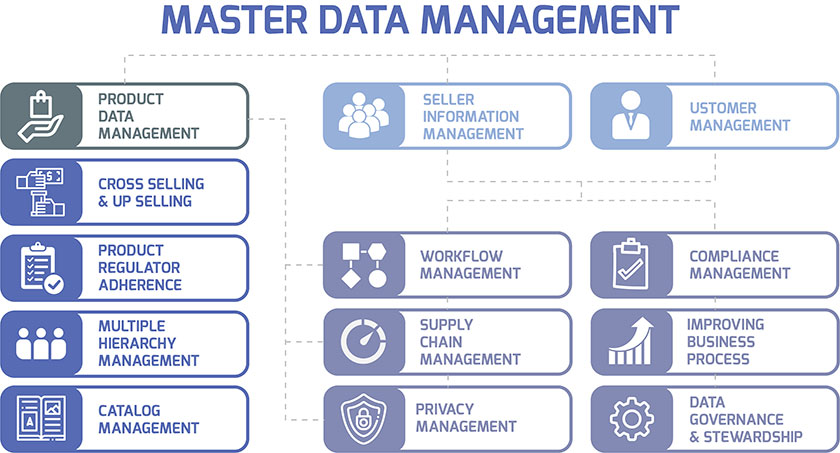
Master Data Management In 2021 Master Data Management Business

Site Maintenance Career Planning Career Guidance Career Coaching Tools

Root 3 CNC Machine 3D Printed Diy Cnc Router Multitool Nanotechnology

The 5 Keys To Master Data Management The Blend Master Data

Infographic Showing Career Path Google Search Graphic For Brochure
Post a Comment for "Is Farming/seeds/milling A Good Career Path: Exploring the Pros and Cons"